
Storing Your RV for Winter: Keep Mold and Damp Out of the Furniture
 By Michael King, Owner

To keep mold out of your RV furniture over the winter, put the RV away dry: clean the seats, fix any leak above them and let cushions and mattresses air out. Then keep air moving and humidity low while it's stored. The EPA says to keep indoor humidity below 60 percent, ideally 30 to 50 percent, and the CDC says no higher than 50.
Key takeaways
- Mold needs moisture. The EPA calls moisture control the key to mold control, so dry seats and fixed leaks matter more than any cleaner.
- Foam padding and fabric soak up water and dry slowly, so seating can hold dampness long after a spill or a drip.
- Before you close up, stand cushions on edge, open sofa beds, drawers and storage lids, and add a dehumidifier or moisture absorbers.
- Small mildew spots on upholstery can be cleaned with light suds or diluted alcohol, using as little water as possible.
- A piece that was soaked and couldn't be dried, still smells musty after cleaning, or is peeling is past cleaning. At that point, replacement is the fix.
It's November, and RVs are getting winterized and parked for the season. Winter storage checklists cover water lines, batteries and tires. This guide covers the part you sit on: sofas, sleepers, recliners and dinette cushions, and how to keep them dry and fresh until your first trip next year.
Why does mold grow on RV cushions and upholstery?
The CDC says mold grows where there is moisture, such as around leaks in roofs, windows or pipes, and that it can grow in dust, fabric and upholstery. The EPA adds that no type of mold will grow without water or moisture. Seating gives mold three things it likes:
- Padding that holds water. NC State Extension notes that in water-damaged furniture, the padding holds the water, so mildew grows inside and out.
- Food in the fabric. University of Missouri Extension explains that soil on fabric can feed mildew, even on synthetic fibers that otherwise resist it.
- Still, dark air. MU Extension says mildew molds do best where it is damp, warm, poorly lit and the air doesn't move. A closed-up RV fits.
Winter adds condensation. Go RVing, the RV industry's consumer site, warns that temperature swings in storage can cause condensation inside, and an unnoticed leak can let moisture build up. The EPA lists walls behind furniture, where condensation forms, as a place hidden mold grows. RV sofas and dinettes sit against outside walls and under windows, so look there.
Does the type of upholstery matter?
It changes how you clean and what can go wrong. MU Extension lists leather among the materials mildew grows on. Ultraleather cleans with soap and water, and its maker explains that heat and moisture can make polyurethane crack or peel over time, which it tests for; our Ultraleather guide has the details.
This fall, a customer told us his camper sits in storage for long stretches without climate control, and he was torn between genuine leather and Ultraleather. Brayden, our sales associate, explained that this kind of RV life is the reason our team recommends Ultraleather over genuine leather.
How to store your RV for winter without damp furniture
Do these steps after you winterize the plumbing and before you lock the door for the season.
1. Clean and dry the seats
Vacuum every seat and seam, including the gap at the back of the sofa, and wipe up old spills. MU Extension says dirty articles are more likely to mildew than clean ones, so clean before storing. Our RV upholstery cleaning guide has the steps by material. Then let everything dry fully: the EPA says that when damp materials are dried within 24 to 48 hours, in most cases mold will not grow.
2. Check for leaks above and behind the seating
Go RVing says to inspect the roof, seals and caulking so water has no way in. For the furniture, look for stains, swelling or soft spots below the windows over the sofa and dinette, around slide-out seals near the seats, under roof vents, and on the wall behind the seat backs. Fix any leak before storage: the CDC and EPA both say that if you clean up mold without fixing the moisture problem, it comes back.

3. Let air reach every side of the cushions
Go RVing Canada suggests raising cushions and mattresses against walls so air can move below them, and leaving cupboard and refrigerator doors open to prevent mold and odors. For the furniture:
- Stand loose seat and dinette cushions on edge.
- Open a jackknife sofa's drawer if it has one, like our E-Z Sleeper, along with dinette bench lids and storage ottomans.
- Take blankets and throw pillows home. Go RVing Canada also suggests taking cushions and mattresses out for the winter to keep mice away.
4. Keep the humidity down
The EPA recommends indoor humidity below 60 percent, ideally 30 to 50 percent, measured with a small humidity meter from a hardware store. The CDC says no higher than 50 percent, and that a dehumidifier helps. If the RV is stored with power and you visit, a dehumidifier is an option; if not, Go RVing lists moisture absorbers to prevent mold. Climate-controlled storage regulates both temperature and humidity.
5. Skip plastic over the seats
Go RVing Canada warns against covering an RV with a tarp or non-breathable fabric, because condensation can be extremely damaging. The same thinking applies inside: plastic over a sofa can trap damp air against it. If you cover the seats, use a breathable cotton sheet.
6. Check on it during the winter
Go RVing recommends periodic checks while your RV is stored. When you stop by, take a breath at the door: a musty smell is the first sign. Lift a cushion, look under the windows and empty full moisture absorbers. If you see condensation, the EPA says to dry it quickly and reduce the source.
Where to check your RV furniture for mold
| Spot | What to look for | What to do |
|---|---|---|
| Seat and back cushions | Spots, a musty smell, a cushion that feels cool or damp | Stand on edge to dry; clean spots as below |
| Sofa bed mattress | Spots on the underside, a smell when you open the bed | Open the bed and let it air out; don't fold it away damp |
| Jackknife drawer, dinette benches, ottomans | Damp items stored inside, a smell when you open them | Empty them and leave the lids or drawers open |
| Wall behind and below the seating | Condensation, stains, soft spots | Find and fix the leak; dry the wall |
| Dinette table, cabinet doors, wood trim | Fuzzy or powdery spots | Scrub with detergent and water; dry completely |
Black mold, white mold or mildew: does the color matter?
Not for cleanup. The CDC says mold can look like spots of many different colors and can smell musty, and that if you see or smell mold, you should remove it. MU Extension describes mildew as a thin, black or sometimes white growth produced by mold.
What about black mold? The CDC's fact page on Stachybotrys chartarum, a greenish-black mold, says it grows on materials high in cellulose, like fiberboard, gypsum board and paper, when there is constant moisture. The CDC also says it's not necessary to find out what type of mold you have: all molds should be treated the same for health risk and removal. It does not recommend mold testing.
Mold still isn't something to leave alone. The CDC says it can cause a stuffy nose, sore throat, coughing or wheezing, burning eyes or a skin rash in some people, and people with asthma or mold allergies may have severe reactions. If you have health concerns, the EPA says to talk with a health professional before cleanup.
How to clean mold and mildew off RV furniture
Before you start
- Check the size. The EPA says an area under about 10 square feet (roughly 3 by 3 feet) is usually a do-it-yourself job. For larger areas, heavy water damage or sewage water, hire a professional with mold experience.
- Protect yourself. The EPA suggests an N-95 respirator, gloves and goggles without vent holes.
- Air it out. Open the door and windows, and work outside when you can.
Fabric seats and cushions
These steps come from MU Extension's guide to removing mildew from upholstered furniture:
- Brush loose mold off outdoors, so spores don't scatter inside.
- Vacuum the surface. Dispose of the vacuum bag right away, or empty the canister outdoors.
- Dry the piece with a heater and a fan, and sun and air it if you can.
- If spots remain, sponge lightly with thick suds of soap or detergent and wipe with a clean, damp cloth. Use as little water as possible so the filling doesn't get wet.
- Or wipe with diluted alcohol (1 cup rubbing alcohol to 1 cup water), then dry the piece thoroughly.
Test any cleaner on a hidden spot first, and follow the care tag if your fabric has one.
Ultraleather
Stick to the maker's routine: wipe with soap and water on a damp cloth, use isopropyl alcohol on stubborn stains, rinse off all residue with clean water and let it air dry. The maker says other cleaners, conditioners and protectants are not recommended. Our cleaning guide walks through each step, including the maker's sanitizing mix.
Genuine leather
NC State Extension says leather furniture can be saved if it's cleaned when mold first appears: brush the spores off, clean with water and a non-phosphate detergent, wipe off the residue and dry it well. It adds a 50/50 water and isopropyl alcohol wipe, then leather conditioner. Check your leather's care sheet first, and never use leather conditioner on Ultraleather.
Tables, cabinets and wood trim
The EPA says to scrub mold off hard surfaces with detergent and water, and dry them completely. NC State Extension adds that wood furniture should dry in a well-ventilated spot, not in direct sun, which can make it warp.
What about bleach?
The EPA does not recommend bleach as a routine part of mold cleanup, and notes that dead mold can still cause allergic reactions, so it has to be removed, not just killed. On hard surfaces, the CDC says to use no more than 1 cup of household bleach in 1 gallon of water, never mix it with ammonia or other cleaners, and open windows and doors. On upholstery, follow the maker's care instructions.
When is RV furniture beyond cleaning?
Some damage won't come out. The signs:
- It was soaked and couldn't be dried right away. The CDC says to remove or replace upholstery like that, and NC State Extension calls upholstered furniture and mattresses damaged by water and mold seldom salvageable.
- The mold is in the foam. The EPA explains that mold can grow in the empty spaces of porous materials, so it may be difficult or impossible to remove completely.
- The smell won't go away. The EPA says cleanup isn't done until there is no visible mold and no moldy odor, and that mold stains may never fully come out.
- The cover is peeling or cracking. That isn't mold, but it can't be cleaned away either. Once a top layer starts to flake, cleaning lifts more of it.

This fall, a customer whose camper is stored in a shed for the winter told us the seats on her dinette and her sofa were cracked and flaking. Rather than pull the camper out in the snow, she's using the off-season to plan new seating, so it's in before her first trip next summer.
We don't reupholster. Our team does full replacement: new RV furniture, handmade by Amish artisans, in the upholstery and color you pick from our Upholstery page. If you'd rather recover a piece yourself, our guide on whether to reupholster or replace RV furniture walks through it. We offer free delivery to the lower 48 states or free installation at our Lancaster shop on orders of $1,000 or more; see our shipping page for details.
What to check when you open the RV in spring
Before you make the beds, prop the door open and let the RV air out. Lift every cushion, open the sofa bed and look under the windows. If you find spots, clean them as above and track down where the moisture came from. Go RVing suggests running your storage steps in reverse and doing a full systems check before the first trip.
Styles from our before-and-after page
 71″ Encore Ultra Sleeper
 71″ Venture Zerowall Theater Seat (12″ Console)
 74″ Lux Queen Hide-a-Bed Sofa
 72″ E-Z Sleeper Jackknife w/ Drawer
Frequently asked questions
How do I store my RV in winter so it doesn't get moldy?
Put it away clean and dry. Fix leaks around windows, slides and the roof, stand cushions on edge, open drawers, cabinets and the fridge, use a dehumidifier or moisture absorbers, and check on it during the winter.
Should I take the cushions out of my RV for winter?
If you have dry space at home, taking loose cushions and mattresses out is a good option, and Go RVing Canada suggests it to keep mice away too. If they stay in the RV, stand them on edge or prop them against a wall so air can move around them.
What humidity should a stored RV be kept at?
The EPA says below 60 percent, ideally between 30 and 50 percent. The CDC says no higher than 50 percent. A small humidity meter lets you check when you visit.
Is black mold in a camper dangerous?
The CDC says all molds should be treated the same for health risk and removal, whatever the color, and it doesn't recommend testing. People with asthma or mold allergies can react more strongly. Remove it and fix the moisture source.
Can you get mold out of RV cushions?
Small surface spots can be. Brush them off outdoors, vacuum, then sponge lightly with suds or wipe with diluted alcohol and dry fast. If mold has grown into the foam, or the cushion was soaked and couldn't be dried right away, the EPA and CDC point toward replacing it.
Sources
- US EPA: A Brief Guide to Mold, Moisture and Your Home (moisture, humidity, hidden mold, cleanup, bleach)
- CDC: Mold (health effects, humidity, soaked upholstery, bleach, testing)
- CDC: Facts About Stachybotrys chartarum
- University of Missouri Extension: How to Prevent and Remove Mildew (cleaning upholstered furniture, cleaning before storage)
- NC State Extension: Removing Mold From Household Items, and Cleaning Flooded Upholstered Furniture (content.ces.ncsu.edu), checked November 2026
- Go RVing: Complete Guide to Storing Your RV for the Winter
- Go RVing Canada: Tips for RV Storage (gorving.ca), checked November 2026
- Ultrafabrics: Cleaning & Care (Ultraleather care steps)
- Open Road Interiors: Upholstery, Before and After and Lancaster showroom pages (November 2026)
- Product pages on openroadinteriors.com (as listed in November 2026)
How we made this guide: we looked at the pages that rank for RV mold and winter storage, then took every health and cleanup fact from the EPA, the CDC and university extension guides, the storage steps from Go RVing, and the Ultraleather care steps from its maker. We added what our team has learned helping RV owners who are putting their rigs away for the season, and used photos from our own before-and-after page. We left out product brand recommendations and anything about mold testing kits, since the CDC doesn't recommend testing.
Visit us
Come sit on it before you buy
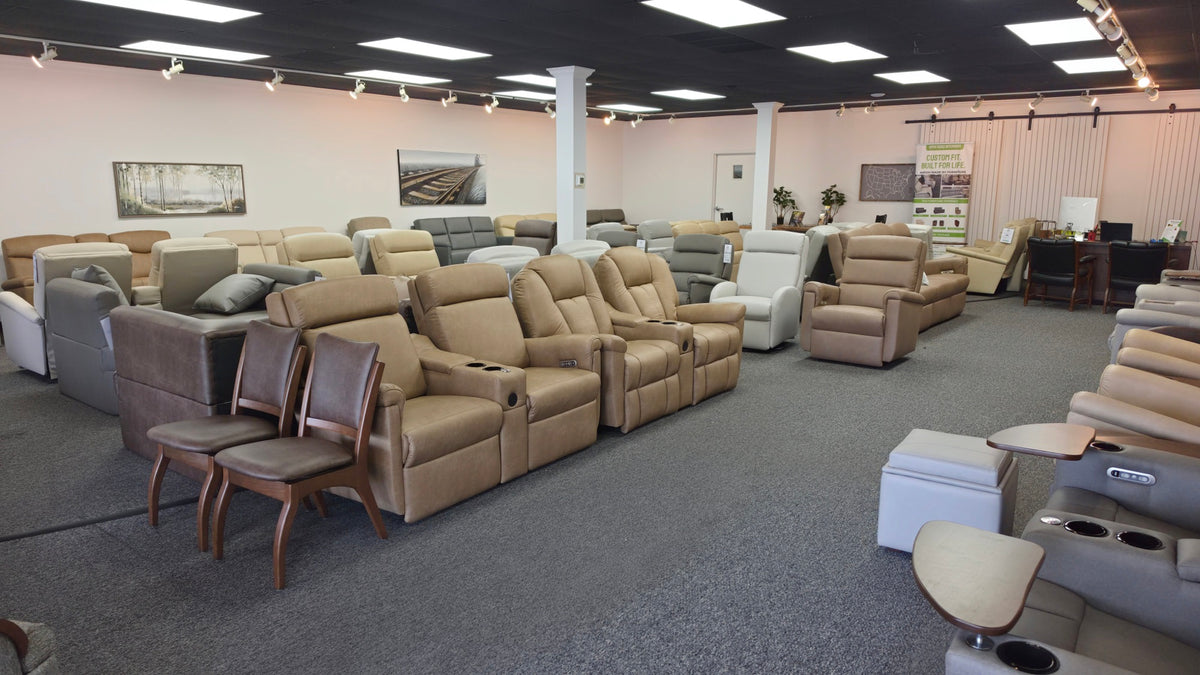
Visit our Lancaster, PA showroom at 2460 Lincoln Highway, Suite 504. Open Monday to Saturday, 10 to 5, no appointment needed.


